
Everything seems to be coming full circle for me. My first invitation to learn about the Inner Development Goals (IDG) came from Emma, but I couldn’t join at the time. A year later, I met Erik, the co-founder of IDG, in person during a BD Master Class session. It was inspiring to hear his personal story—how his childhood experiences have shaped him and his work today. Now, as part of the Next Generation Leader program, I have the chance to revisit the very same invitation I missed years ago.
I’ve been following the Inner Development Goals for a while, and I hope this journey will eventually lead me to attend the annual summit in Sweden one day.
Listening to Erik, two key ideas stayed with me:
- Unconscious Mind
Research shows that 95% of our decisions are unconscious and emotionally driven, while only 5% are consciously thought through. To me, this doesn’t mean we should aim to control our emotions all the time—because that wouldn’t be human. Instead, we should train our inner selves to be sustainable. If our inner world is unsustainable, then no matter how successful or accomplished we appear on the outside, it won’t keep us alive. - Inner Self
If we want to contribute to global change, we must first work on ourselves. If we can’t take care of our own well-being, how can we support others? If we don’t develop ourselves, how can we help develop others? Everything begins with us. Inner Development Goals lay the foundation for personal growth, which in turn enables us to work toward the Global Goals together.

HAPPINESS
From Erik’s insights on happiness research, about a common misconception—we often believe happiness comes from getting what we want, primarily through two means: money and power. But we experience much deeper happiness when we have what we need.
This leads me to an important question:
Are we even happier when we see others getting what they need too?
This reminds me of the book Happiness by Richard Layard, which has guided my own understanding of happiness. In it, he explains how personal values impact our well-being:
“People who care about others tend to be happier than those who focus primarily on themselves. More anxiety comes from striving to ‘do well’ for yourself than from striving to ‘do good’ for the world.”
Connecting this to Erik’s point— This leads me to another important question:
“Does true inner happiness come from sacrificing what we want—but don’t need—to help others get what they need? When we uplift others, they experience happiness, and in turn, we find ours. Could this be a path to inner happiness while also contributing to the Global Goals?”
To me, tt seems to create a sustainable cycle between need and happiness. And It all starts from within.
There are plenty of free resources available for you to explore.
Explore the IDG Framework – I’ve personally used this as an inspiration to design surveys for learning programs in our organization.
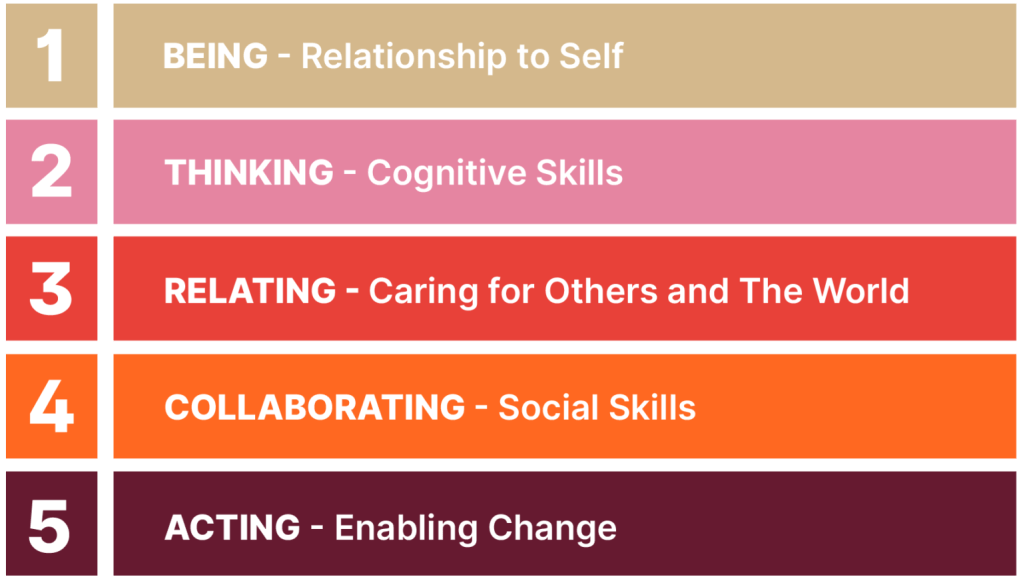
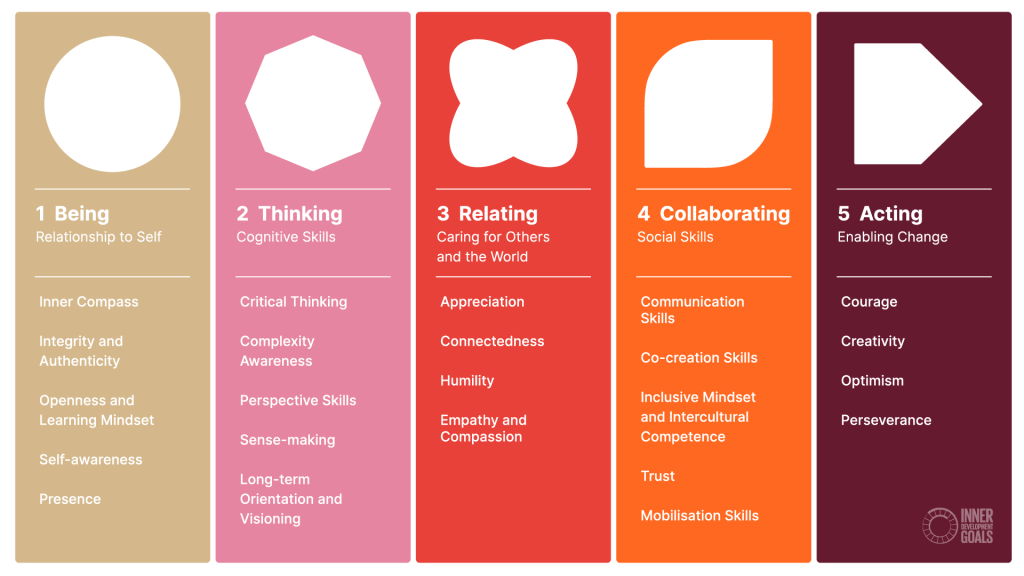
Also, by completing the IDG survey, not only will you gain personal insights through their digital recordings from the IDG Summit, but you’ll also contribute valuable data to help improve future research.
Thank you!


 Lynn By Linh
Leave a comment